

These medications are typically prescribed by doctors, dermatologists, and professional skin specialists. It is not uncommon for someone who is drinking alcohol to feel flushed or for their skin to become red. However, becoming red and having flushed skin differs from Rhinophyma or any other branch of Rosacea. While drinking cannot directly cause the condition, excessive drinking can trigger or aggravate the problem. An alcohol red nose is one of the most tell-tale signs of a problem with alcohol. While alcohol nose does not directly imply addiction, it can be a visible manifestation of long-term alcohol abuse for some people.
The Good News About Alcoholic Nose
However, the term alcoholic nose is not a medically-recognized condition. The physical impact of rhinophyma can be a point of self-consciousness for many individuals. After all, nobody really wants to stand out for something like a skin condition they can’t control. One way to help people seek the treatment they need and help them live out healthier and better futures is to provide people with the whole story and clear information.

Invasive Surgery

Feeling so self-conscious about the appearance of a nose with rhinophyma can become a great source of anxiety for some people. Now, does this mean that alcohol is completely unrelated alcoholic nose to rhinophyma? According to the Mayo Clinic, rosacea symptoms often come in episodes. The symptoms will flare up for a few weeks or months and then slowly die down.

Link Between Suicidal Ideation and Addiction
- This is known commonly as ‘alcoholic nose’ and is an upsetting and concerning side effect of drinking too much.
- Rosacea flare-ups could contribute to continued growth of a bulbous nose.
- Rhinophyma is one of the lesser-seen impacts of alcohol abuse and affects a tiny percentage of users.
- Each case of rosacea is different and brought on by individual situations.
- If inflammation is present because of a bacterial infection, then oral antibiotics such as tetracycline may be prescribed to manage the infection.
If you develop rhinophyma, your nose may appear red, large, and even bumpy or bulbous. The visual side effects are most obvious on the tip and lower part of the nose, since the actual bone structure is not affected by the condition. Not everyone with rosacea who develops thickened skin will go on to develop rhinophyma. But for people who do, having chronic infections is common, since fluids in the skin ultimately trap bacteria. While people from these backgrounds and exposures are more likely to develop an alcoholic nose, not everyone who fits the bill will necessarily be prone to it. If the condition is left unmanaged and worsens, there are chances that the redness will spread across the cheeks and sometimes even start turning purple.
Oral Medication
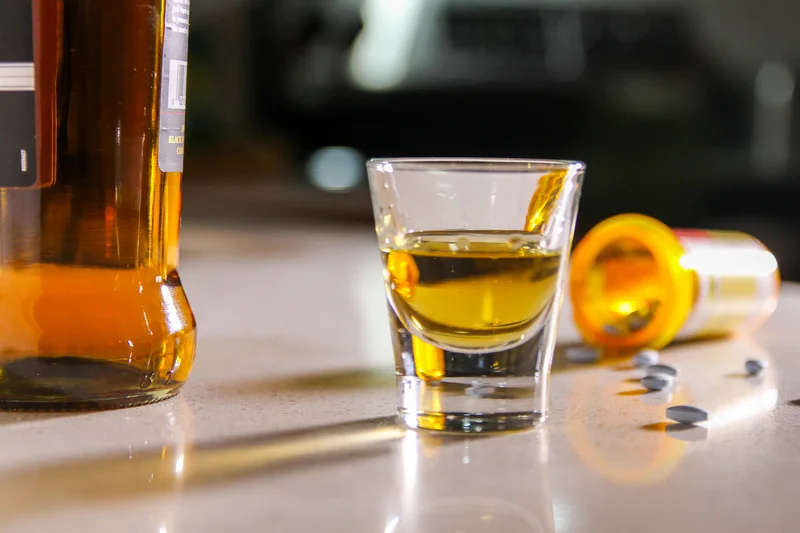
Immediate flushing from drinking alcohol often fades a few hours after you stop drinking or, at worst, the next day. Symptoms of Rhinophyma or drinker’s nose begin with swelling, redness and bumps on your nose. The misshapenness often grows much worse if you continue drinking to the point of blocking your nostrils and developing pus-filled oily lumps. These groups are the most likely to suffer from alcoholic nose because the way alcohol affects circulation and skin exacerbates the situation. However, anyone can experience alcohol and non-alcohol-related rosacea it is just more likely in the above groups and people who persistently drink too much alcohol. Medication is not always enough to control rhinophyma once it has developed.
More on Skin Problems and Treatments
- The most common type of skin cancer in these cases is basal cell carcinoma.
- The real concern is if skin and facial damage is causing you mental health issues, but you don’t feel you can stop drinking to improve the situation.
- It is incredibly important to remember that alcohol does not cause this disorder.
- While it’s true that chronic alcohol abuse can lead to many health problems, there is no definitive evidence that drinking alcohol causes the so-called alcoholic nose.
- The fear of judgment makes it difficult for people suffering from the condition to step forward and seek proper help and treatment.
- Rhinophyma is a condition that occurs when rosacea, a chronic skin disorder, spreads to the nose.
Before discussing potential treatment options for alcoholic nose, it is important to understand whether or not alcohol itself is truly to blame. As it turns out, drinking alcohol (even in excessive amounts) has not been proven to directly cause rosacea. In many cases, “alcoholic nose” is used to describe the most severe, end-stage form of rosacea, known as rhinophyma. Rhinophyma causes the nose to become even more disfigured due to the progressive dilation of the nasal vessels as well as the involvement of cysts and pustules. The Recovery Village at Palmer Lake offers comprehensive addiction treatment for drug and alcohol addictions and co-occurring mental health conditions. Rosacea affects the nose more in men and the cheeks more in women, which makes men much more likely to get rhinophyma than women.

Personalized, Comprehensive Treatment Options
We believe in you and encourage and support you during addiction treatment. Alcohol can aggravate rosacea flare-ups, thus potentially making rhinophyma more Drug rehabilitation severe. However, not everybody will experience a red face when drinking, and not everybody that does is an alcoholic.